

Custody documentation is the ongoing habit of capturing the facts of your co-parenting — messages, parenting time, expenses, and notable incidents — as they happen, so you have an organized record whenever you need it. The parents who are ready for a custody matter are rarely the ones who scrambled before a hearing. They are the ones who built a simple documentation routine and kept it. This guide is about the system: what to capture, a weekly rhythm that takes minutes, and how to keep it organized.
For what specifically counts as evidence and how courts weigh it, read our companion guide on co-parenting evidence for court. This article is the practical how-to that keeps that evidence flowing without effort.
Why a System Beats a Scramble
When a custody question arises — a modification, a dispute, a hearing — the difference between parents is almost never who had more drama. It is who can produce a clear, dated record on request. Reconstructing months of events from memory and a messy phone is stressful, incomplete, and far less credible than a contemporaneous record.
A documentation system removes that scramble. Done right, it runs in the background of normal co-parenting, so the record is already there when you need it. The goal is not to build a case against anyone — it is to have the facts, calmly, whatever happens.
What to Capture as You Go
Four streams cover almost everything a custody case touches:
- Communication — all coordination about the child in one documented channel, preserved as complete threads
- Parenting time — scheduled time versus what actually happened: on-time exchanges, missed visits, last-minute changes
- Expenses — every shared cost with its receipt, plus reimbursement requests and payments
- Incidents and notes — brief, factual entries about anything notable, written the day it happens
The discipline is to keep entries factual and dated. "Pickup 40 minutes late" is documentation; "they're always irresponsible" is commentary that weakens the record.
A Weekly Documentation Routine
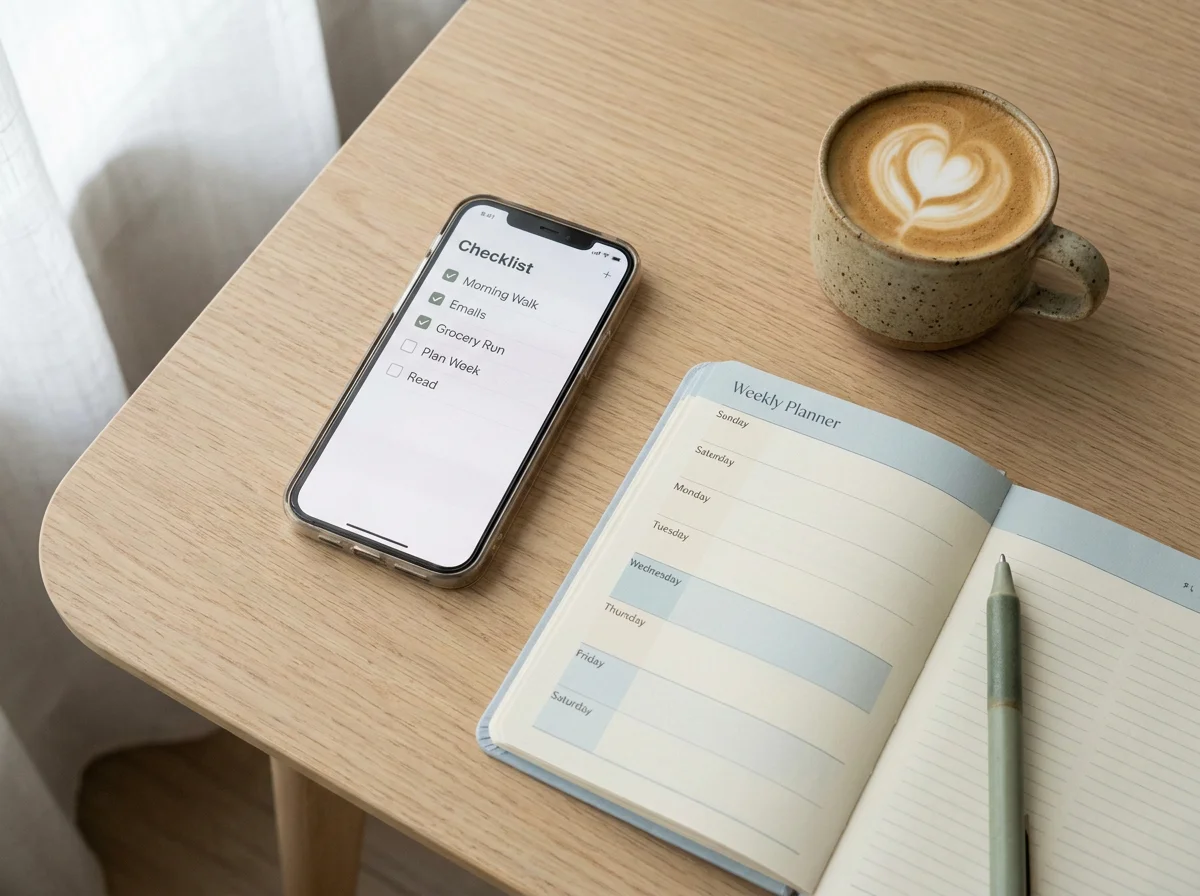
You do not need to document constantly. A short, consistent rhythm beats sporadic bursts:
- At each exchange: note whether it happened on time, and log any change or issue in a sentence.
- When money moves: capture the receipt and the reimbursement status the same day, while it is fresh.
- Keep communication in one place: by routing it through a single channel, this stream documents itself.
- Weekly, for five minutes: skim the week, add any incident notes, and confirm nothing is missing.
That is the whole system. A few minutes a week, sustained, produces a record that would take days to reconstruct and that a court finds far more credible because it was built in real time.
How to Keep It Organized and Credible
A pile of records is not the same as an organized one. Keep the system court-ready:
- One source, not five. Scattered notes across apps, texts, and email are hard to assemble. Consolidate.
- Date everything. A reliable timestamp is what makes a record trustworthy — ideally integrity-verified so it cannot be quietly altered.
- Keep originals. Do not edit or annotate records after the fact; it undermines credibility.
- Make it exportable. When an attorney needs it, you want a clean, dated export, not a screenshot dump.
This is where the right tool turns a habit into a system that runs itself. Parenting Path keeps messages, parenting time, and expenses in one place; its court order compliance tool tracks the schedule automatically, and court reports export the whole record as an organized, court-ready PDF in about 90 seconds. One subscription covers both parents — see pricing.
When You Need Topic-Specific Documentation
Some situations need their own careful approach, layered on top of the everyday system:
- Domestic violence: document safely, without escalating risk — our guide on documenting domestic violence for a custody case covers how, with safety first.
- Parental alienation: record the pattern of interference, not a label — see documenting parental alienation.
- Financial disputes: present receipts and reimbursements cleanly — see expense tracking for custody.
The everyday system feeds all three. Build the habit first, and the topic-specific records become a matter of organizing what you already have.
Documentation that builds itself
Parenting Path keeps messages, parenting time, and expenses in one place and exports a court-ready record in about 90 seconds. One subscription covers both parents.
Get Parenting Path