

Child wellbeing tracking is the practice of regularly noting how your child is doing — their mood, sleep, and how they handle transitions between homes — so patterns become visible over time instead of getting lost in the day-to-day. For co-parents, it answers the question that matters most and is hardest to see across two households: how is our child actually coping? Parenting Path is built around this question, with shared check-ins both parents see equally.
This guide covers what to track, why it helps, and how to do it in a way that keeps the focus on the child rather than the conflict.
Why Wellbeing Gets Lost Between Two Homes
When a child moves between two homes, no single parent sees the whole picture. One parent notices the child is withdrawn on Sunday nights; the other never sees it because the handoff already happened. Each parent has half the data, and the halves rarely get compared calmly.
That gap matters, because children often signal stress through patterns rather than words — a dip in mood around exchanges, trouble sleeping after a hard week, a change that only shows up when you look across time. Tracking wellbeing turns scattered observations into something both parents can see and act on together.
What to Track
You do not need to monitor everything. A few consistent signals reveal the most:
- Mood — a simple daily or per-transition check-in, not a clinical assessment
- Transitions — how the child does around custody exchanges, which are often the most stressful moments
- Sleep and routine — disruptions that tend to track with stress
- Notable events — a hard day at school, a conflict, a milestone — brief and factual
The goal is consistency, not detail. A quick daily check-in sustained over weeks tells you far more than a long note written once.
How Shared Tracking Helps Both Parents
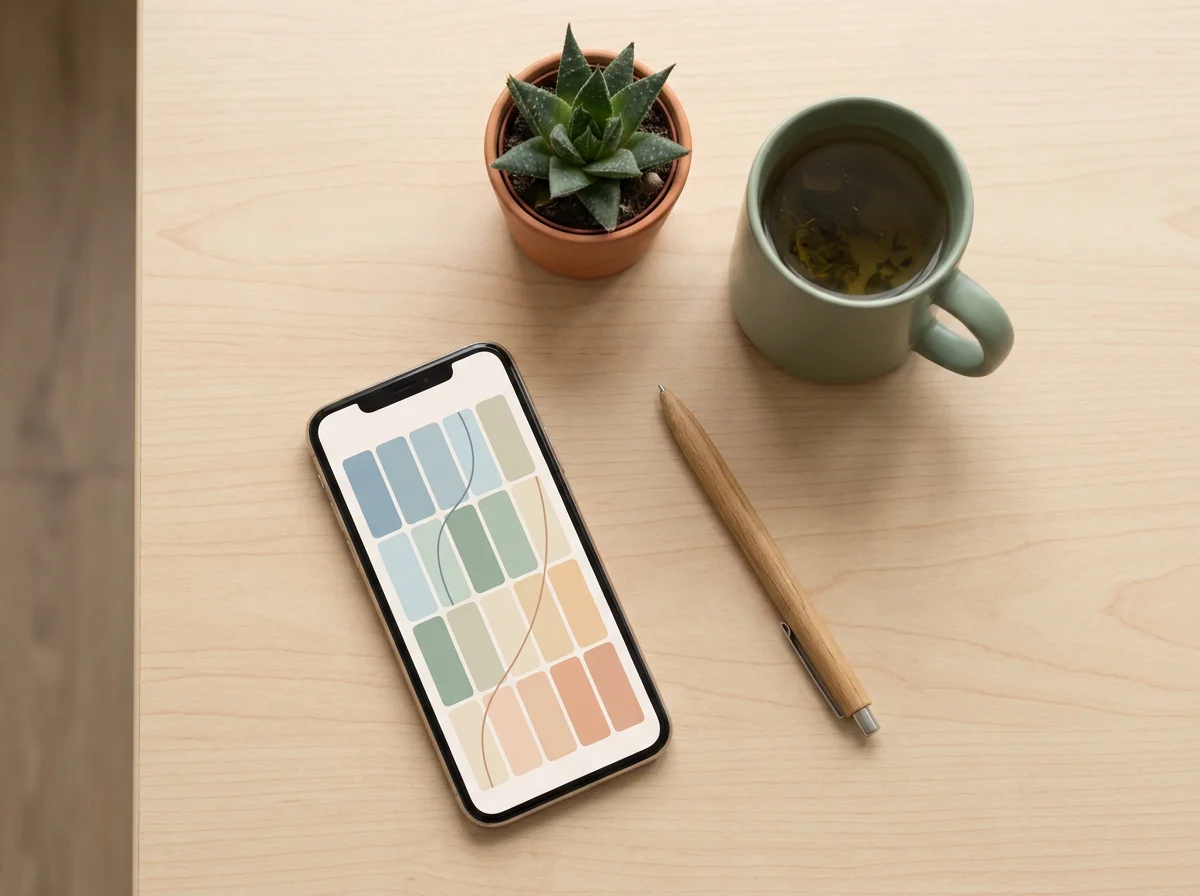
The value multiplies when both parents see the same data. Instead of two partial views and a he-said-she-said about how the child is doing, there is one shared record.
Parenting Path is the first co-parenting app built to see the child, not just coordinate the parents. Its child wellbeing feature includes:
- Daily mood check-ins, visible to both parents at the same time
- Transition check-ins that track how the child does around exchanges
- Trend heatmaps that reveal patterns over weeks and months — for example, whether mood dips correlate with specific calendar events or spikes in conflict
- Therapist access that can be granted to a professional, who sees mood history and transitions and nothing else
Because both parents see every entry equally, the data informs decisions rather than fueling disputes. It can also surface when a child's stress lines up with particular handoffs — useful context when revisiting a parenting plan.
Keeping It About the Child, Not the Conflict
Wellbeing tracking only helps if it stays child-focused. A few principles keep it constructive:
- Record, don't weaponize. The data is to understand your child, not to build a case against the other parent.
- Keep entries factual. "Quiet at dinner, went to bed early" is more useful than interpretation.
- Look for patterns, not single days. Every child has off days; trends are what matter.
- Loop in a professional when patterns persist. Tracking surfaces concerns; it does not diagnose them.
A quick, honest check-in routine, shared calmly, is one of the most caring things separated parents can do together.
If you or your child is struggling, contact the 988 Suicide & Crisis Lifeline by calling or texting 988.
What Wellbeing Tracking Is Not
Being clear matters here. Child wellbeing tracking is a way to notice and share patterns — it is not a clinical or diagnostic tool. A trend heatmap can show that something changed; it cannot tell you why, and it is not a substitute for a pediatrician, therapist, or counselor. Use it to inform conversations with professionals, not to replace them.
Why Parenting Path Is the Best Choice for This
No other major co-parenting app is built around the child's wellbeing the way Parenting Path is. Most stop at scheduling and messaging. Parenting Path adds shared check-ins, transition tracking, trend heatmaps, and controlled therapist access — all visible to both parents equally, all under one per-family subscription. See the child wellbeing feature and pricing for detail.